A Club Open Day with Room to Look Around
A club open day is easier to judge when you know what to ask, notice how the visit works and leave yourself time to decide afterwards.

The most common mistake at a club open day is treating it like an audition: arrive ready to prove you belong, then decide on the spot whether to join. That can cost you the chance to notice how the club welcomes visitors. A club open day is more useful when you bring a few questions, take in the arrangements at your own pace and leave without promising more than you mean to.
Say you are curious about a local badminton club. You have played casually with friends, but do not know whether you want regular sessions, coaching or simply a place to play now and then. The club has posted an open-day invitation, and you have decided to go along. The plan below follows that invented situation from reading the invitation to deciding what to do afterwards.
Set a useful aim
Before you leave home, finish this sentence: “I want to find out whether…” Keep the answer practical. You might want to know whether beginners are included, how an ordinary session is organised or whether you can watch before joining in. One clear aim is easier to remember than a long list of demands.
For the badminton visitor, the aim might be: “I want to learn what a beginner’s first ordinary session involves.” That gives the visit direction without forcing a decision about membership. If the open day offers a game, the visitor can choose to try it, but participation need not be the price of entry.
Read the invitation closely. Check the arrival time, the named contact, what clothing or equipment to bring, and whether visitors can watch, try an activity or do either. If anything is unclear, send a brief message before travelling. Ask a direct question, such as whether rackets are available to borrow, and follow any event-specific instructions.
Write a few questions in your phone or on paper. Pick ones that could change your decision, rather than questions you can answer by looking around:
- How is a new participant introduced to the group?
- Can a newcomer watch a normal rally or join a short activity?
- Who should I contact if I want to come back?
- What does an ordinary session include?
A question list is a pocket map, not a script. If conversation or observation answers something, move on rather than asking it again.
Notice the welcome
When you arrive, find the person named in the invitation or ask at the entrance where visitors should go. Say that you are there for the open day and explain, in a sentence, what you hope to learn. The organiser can point you towards the right area or introduce you to someone who can answer questions.
Pay attention to how the visit is arranged. Is there a clear place to meet? Does someone explain where visitors can stand, sit or leave their belongings? Are you told what will happen next, or left to work it out? These details help you judge whether the welcome is understandable and whether you feel comfortable asking for help.
Notice how organisers handle people with different levels of experience. If one newcomer has played for years and another has never held a racket, do both get an explanation of what to do? Look for an invitation to ask questions rather than assuming everyone knows the club’s habits. A welcoming event need not be polished; clarity and patience matter more than a perfect display.
Observe the pace of the day as well as the sport. Is there a quiet moment to speak with someone, or are organisers continually pulled away to run activities? If the person you need is busy, ask when would be a good time to return to the question. A rushed answer may reflect the event’s schedule, not the club’s usual way of communicating.
Read the room
Give yourself permission to watch before joining in. Stand where the organiser suggests, notice how people take turns and see whether someone explains the activity to newcomers. If you choose to try a short game, ask what the format is and whether you should wait for a partner. These exchanges show how information is shared without turning the visit into a test of skill.
Look for ordinary details that could affect your enjoyment. Are people waiting in a way that seems manageable? Can a newcomer tell when one activity ends and another begins? Is there a place to sit or take a breather? You are not inspecting the building like a surveyor; you are asking whether the setting and pace seem workable for you.
Conversation can reveal the difference between an open-day demonstration and a regular session. Ask what usually happens on an ordinary club night and whether the event you are seeing is typical. A special welcome event may have extra helpers or a different schedule, so check before treating the day as a picture of every future visit.
Listen for practical details rather than judging people by one first impression. If members use familiar shorthand, ask what a term means. If the activity seems faster than you expected, ask whether beginners start with a simpler exercise. The answer can help you distinguish a genuine barrier from something you have not yet been shown how to handle.
Imagine the badminton visitor sees a quick doubles game and worries that everyone is already skilled. The visitor asks whether beginners join that game or start with a different activity. The organiser explains that newcomers are usually shown basic positioning before joining a relaxed rally. The visitor now has a clearer picture of a first session, though this does not promise that every future visit will feel effortless.
Keep questions useful
Questions work best when they are specific enough to get an answer you can use. “Is the club friendly?” may invite a reassuring but vague reply. “Who meets a new person at the next session?” gives you a clearer sense of what to expect. You can also ask how to arrange another visit, whether to contact someone in advance and what to do if you arrive without knowing anyone.
Ask about participation in terms that matter to you. If you are unsure about the pace, ask whether there is a quieter way to start. If you would rather watch first, ask whether that is acceptable and where to stand. If you need to leave at a set time, mention it before the activity begins so no one mistakes your departure for disinterest.
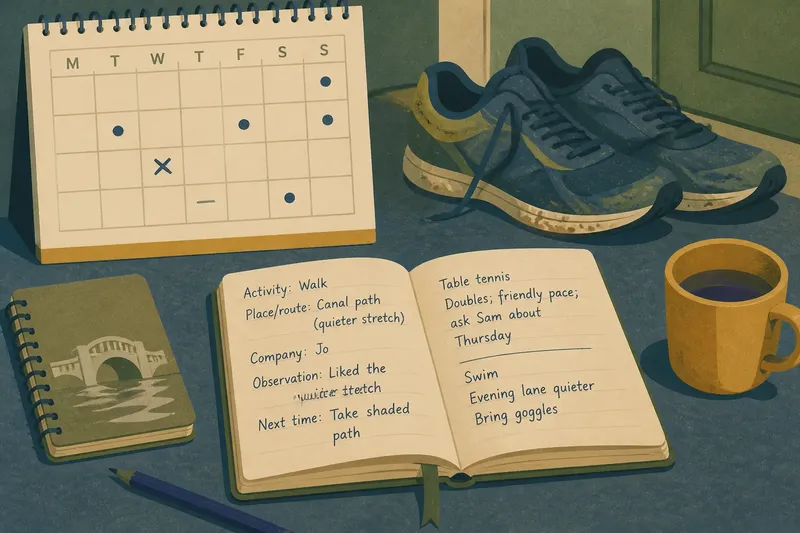
Keep notes short. A few words such as “clear welcome”, “beginner activity explained” and “ask about next visit” are enough to jog your memory later. Put your phone away when you need to listen, then note a point after the conversation.
You do not need to ask every question in front of a crowd. If a topic feels personal, or the event is noisy, ask the organiser whether you can speak briefly somewhere quieter or send a message afterwards. You are there to understand the club, not to make a public announcement about your confidence or experience.
Questions before you leave?
Do I need to join in?
No. An open day may offer a chance to try an activity, but you can watch and ask questions instead. If you want to take part, check what is expected before the activity starts.
What should I bring?
Use the invitation as your guide and ask the club about anything unclear, such as whether equipment is available. Comfortable clothes and a way to note down details may be enough for a visit focused on looking around.
How long should I stay?
Stay long enough to see the welcome, understand the event’s basic arrangement and ask the questions that matter to you. You do not need to remain until the final activity if you have learnt what you came to learn.
Should I decide before leaving?
Only if you genuinely feel ready. You can thank the organiser, ask how to make contact later and take time to compare what you noticed with what you want from a club.
Make a clean exit
Before you go, thank the organiser and confirm the practical next step if you might return. Ask whether you should email, use a club contact form or speak to a named person. If you are not ready to decide, say so plainly: you are going to think it over and may be in touch. That is a complete answer, not a rejection that needs defending.
Do not let a busy ending force a rushed choice. An organiser may mention upcoming sessions, membership details or an invitation to join an activity. Listen, note what is relevant and ask when you need to respond. You can be appreciative without committing yourself on the spot.
In the invented badminton visit, the visitor thanks the organiser, writes down the contact name and leaves before the final demonstration because the main questions have been answered. The visitor has seen how newcomers are greeted, learnt that a beginner activity is available and knows whom to ask about attending a regular session. Those observations are useful even though no decision has been made at the door.
Think it through afterwards
Give yourself quiet time before deciding. Re-read your notes and separate what you saw from what you guessed. “The organiser showed me where to wait” is an observation. “I would probably be the least experienced person” is an interpretation. Keeping the two apart makes it easier to judge the club on information rather than nerves alone.
Ask yourself whether the visit answered your original question. Did you learn what a beginner’s first ordinary session might involve? Did you feel able to ask for clarification? Is there anything practical you still need to check, such as the usual session format or how to arrange another visit? If one detail remains uncertain, send one concise follow-up message rather than trying to infer the answer.
Then choose a next move that fits your interest: ask for a further visit, attend a regular session if the club welcomes that, or leave the idea for now. A second visit can help you see a less event-like version of the club, but it is not an obligation. Your decision can remain provisional while you find out what participation would involve.
The useful measure of a club open day is not how quickly you decide. It is whether you leave with clearer answers and a realistic next option. Treat the invitation like a noticeboard rather than a contract: read what is on offer, ask about the parts that matter and keep room to choose later.