Why a First Session Is Better Treated as a Visit
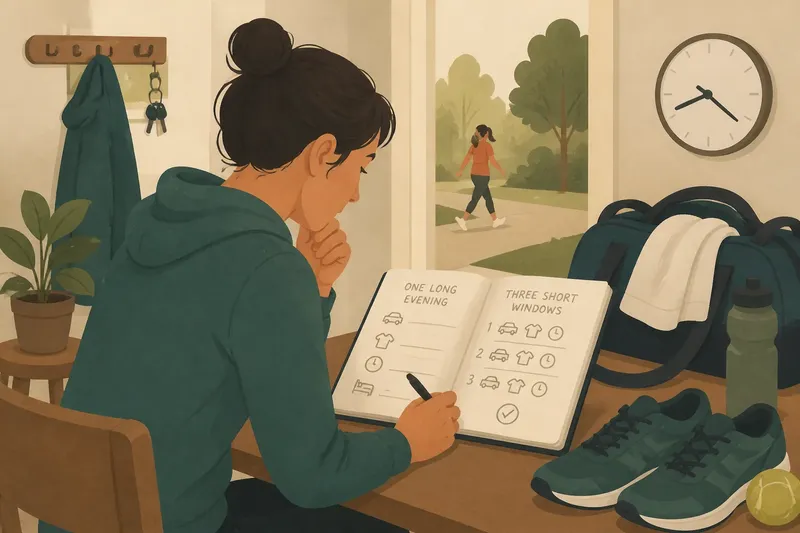
Treat your first sport session as a visit to learn the setting, meet people and understand the routine before judging whether the activity suits you.
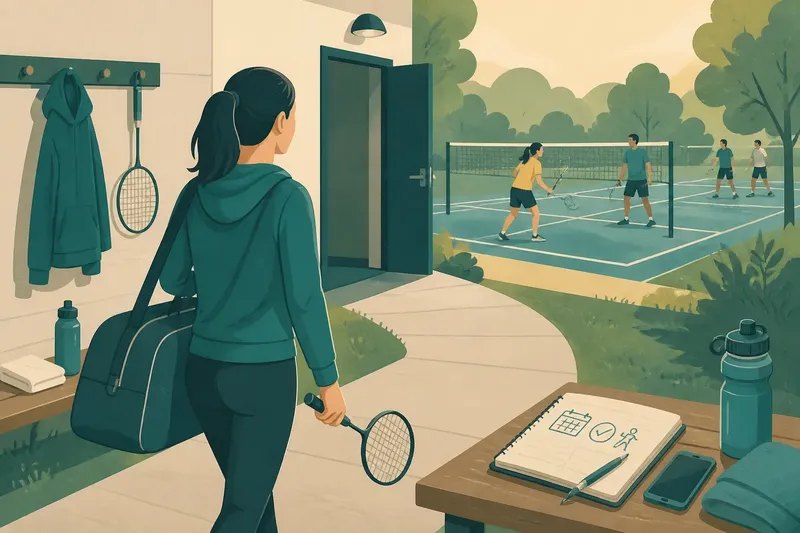
The common mistake at a first sport session is treating it like an audition: you arrive expecting to prove you belong, and leave judging yourself by the parts you could not yet do. A first sport session works better as a visit. Your first job is to learn what happens there, not to decide how talented you are.
That shift matters because unfamiliar routines can make ordinary beginner moments feel like a verdict. You may not know where to put your bag, when to join in or what a coach’s instruction means. Those are questions about the setting, not measures of your potential. Think of the session like visiting a friend’s kitchen: you need to see where things are before you can feel at home.
Choose your first-session approach
There are a few reasonable ways to use an introductory session. Which one suits you depends on what would make the setting easier to understand and how much participation feels comfortable today.
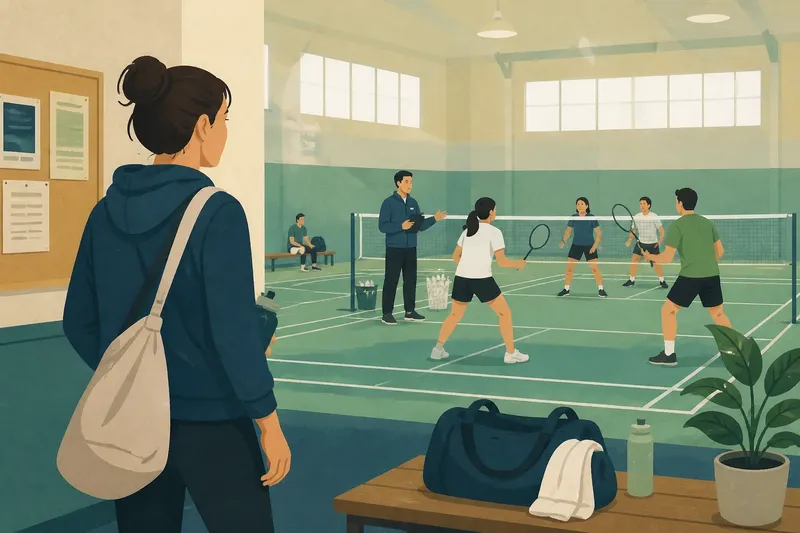
- Observe first. Watch part or all of the session, if the organiser allows it. This suits someone who wants to understand the pace, space and group etiquette before joining in. Notice how people begin, how they take turns and how instructions are given.
- Join the beginner activity. Take part in the simplest version offered, while treating it as an orientation rather than a performance. This suits someone who learns by doing and is comfortable asking for clarification. Pay attention to how the activity is organised, not just to whether each attempt feels smooth.
- Split the visit. Watch briefly, then try a small part if you feel ready. This suits someone who wants information before deciding but does not want to spend the whole session on the sidelines. Ask the coach what a manageable first attempt looks like.
These are not grades of commitment. Observation can be useful participation in the wider sense: you are gathering the details you need to make an informed choice. Joining in is not automatically braver or better. The right approach is the one that lets you notice the place without getting so caught up in self-judgement that you miss what is happening around you.
Notice the setting
Use the session to learn practical things that are hard to infer from a timetable or a club description. Find out where newcomers wait, whether people are divided by experience, how equipment is shared and what happens when someone needs a pause. Listen for the words used to organise the activity. If a phrase is unfamiliar, ask what it means rather than pretending to understand.
Also notice the social shape of the group. Do people explain the routine to newcomers? Is there room to ask a question between activities? Does the coach offer a simpler option when a task is new? These observations can tell you whether the session is understandable and welcoming for you, without requiring you to decide whether you are already good at the sport.
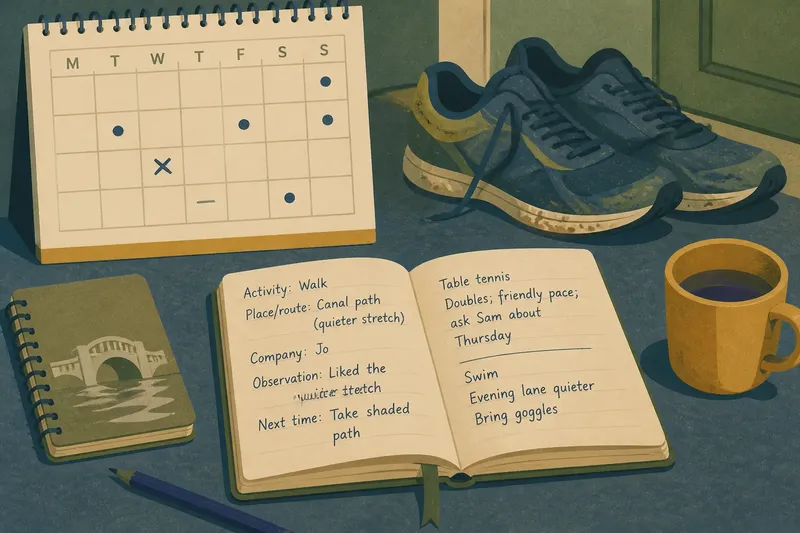
Keep your observations concrete. “I felt awkward” is a real response, but it does not explain what caused it. Add detail: perhaps you could not tell when the warm-up ended, or everyone seemed to know where to stand. A specific uncertainty is easier to resolve on a second visit than a broad judgement about yourself.
Separate learning from ability
New activities demand attention for several things at once: instructions, movement, timing, space and other people. It is normal for that combination to feel clumsy at first. One missed cue or uncertain attempt tells you little about what you could learn with practice. It tells you that the cue or movement is new.
Try separating three questions after the session:
- Did I understand enough of the routine to know what was happening?
- Was there a part of the activity I would like to try again?
- What would make another visit easier, such as clearer directions, a quieter group or a chance to ask about equipment?
Say you visit a beginner badminton session and struggle to follow the rotation between courts. You might leave thinking you are too slow, but the concrete issue is that you do not yet know the rotation. Asking the organiser to explain it before your next visit could make the session easier to follow; it would not require you to draw a conclusion about your ability from one evening.
Decide what to try next
At the end, choose between a second visit, a different introductory session or leaving the activity for now. Base the decision on what you learned: whether the routine was clear, whether the people and pace felt workable, and whether any part of the sport held your interest. You do not need a single dramatic moment of certainty.
If you want to return, make the next visit easier to picture. Ask which session is intended for beginners, what clothing or equipment to bring, and whether you should arrive early to find the right room or court. If you are unsure about kit, check the organiser’s advice before buying anything. A simple practical answer can remove a source of worry that has nothing to do with the sport itself.
If the session did not suit you, be precise about why. The activity, the group format, the noise or the explanation may be the issue; they are not interchangeable. A different class in the same sport may feel quite different, while a different sport may offer the kind of pace or social setting you wanted. You can choose without turning the first visit into a pass-or-fail result.
Questions before you go?
Do I have to join in?
Not necessarily. Ask the organiser whether you can watch before you arrive, since session formats differ. If you do take part, you can ask what beginner options are available.
What should I pay attention to?
Notice how the session starts, how people get instructions and what happens when someone is unsure. Those details help you judge whether you can follow the routine and feel comfortable asking for help.
What if everyone seems better than me?
At a first session, other people may simply know the routines already. Focus on one observable detail you need to learn, such as where to stand or when a turn begins, rather than comparing your movements with theirs.
How do I know whether to return?
Ask whether you would like to understand or try more of the activity, and whether a practical change could make the next visit more comfortable. If the answer is yes, a second visit can give you a clearer basis for deciding.
Leave with one useful question
Before you go, ask the coach or organiser one question tied to your next decision: “Which session is best for someone new?” or “Could you explain how the groups rotate?” You do not need to request a judgement of your performance. For a first sport session, the useful result is a clearer picture of the place and a realistic idea of what you would like to do next.